What Is a Covenant Lawsuit in the Book of Amos?
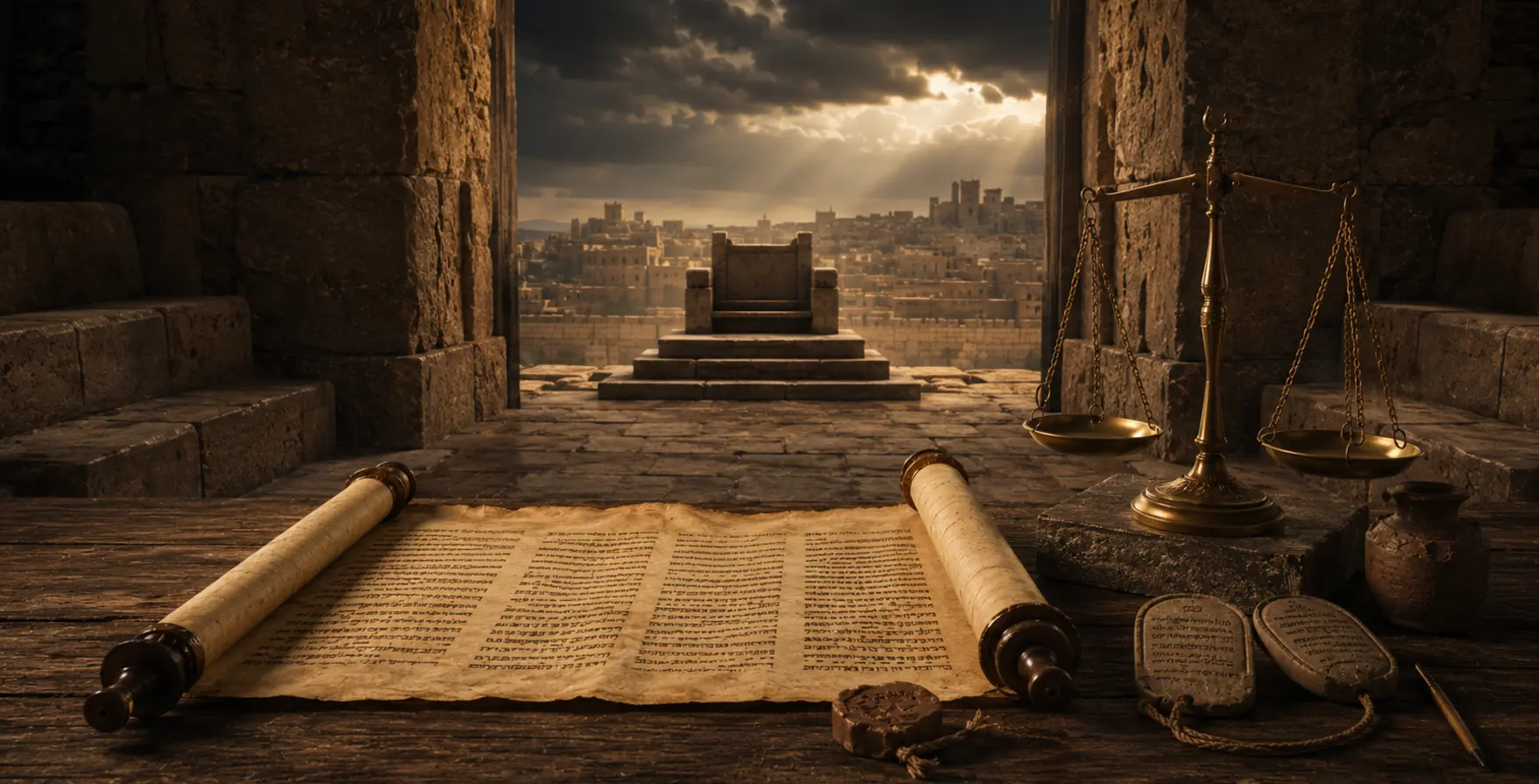
The Book of Amos often reads like a public warning. The prophet talks about violence, corruption, false worship, and the judgment facing Israel. But Amos is not just condemning bad actions. In several passages, he presents Yahweh’s case against Israel in what scholars call a covenant lawsuit.
Knowing about this form helps explain why Amos speaks so strongly and why Amos 3 includes questions, accusations, witnesses, and announcements of judgment.
A Covenant Was More Than a Religious Promise
A covenant created a binding relationship. At Mount Sinai, Yahweh gave Israel laws that showed how the nation should worship, treat others, and live as His people. The covenant promised blessings for obedience and consequences for rebellion.
Israel agreed to these terms, which made the nation responsible for what it had heard.
When the people later practiced idolatry, oppressed the poor, corrupted justice, and ignored prophetic warnings, they were not just making bad choices. They were breaking an agreement they had already accepted.
The prophets often responded to this failure by speaking as messengers presenting a legal case. They reminded Israel about the covenant, pointed out the violations, called witnesses, and announced the sentence.
This is the pattern readers see in a covenant lawsuit.
How the Lawsuit Begins in Amos 3
Amos 3 opens with a summons:
“Hear this word which the Lord has spoken against you, sons of Israel.”
The language right away shows how serious this is. Yahweh is speaking to the nation He brought out of Egypt, and their shared history is part of the case.
Amos then records Yahweh’s words:
“You only have I chosen among all the families of the earth; therefore I will punish you for all your iniquities.”
Israel’s special relationship with Yahweh did not take away their responsibility. It actually increased it. The nation had received the covenant, the law, and many prophetic instructions. The people knew what Yahweh wanted from them.
The lawsuit starts there. Israel had been given clear terms and had broken them.
Why Amos Uses a Series of Questions
Amos 3:3–6 contains several short questions:
Do two walk together unless they have agreed?
Does a lion roar when it has no prey?
Does a trap spring up when it has caught nothing?
If a trumpet sounds in a city, will the people not fear?
These questions are easy to answer. Amos is leading his audience through familiar situations where each event has a clear meaning.
The questions also put pressure on the listeners. Each answer brings them closer to the point Amos wants them to see. They understand the agreement between travelers, the sound of a lion, the action of a trap, and the warning of a trumpet. So they cannot say that Yahweh’s message was too unclear to follow.
In Cliff R. Loriot’s book, The Sovereign Lord Yahweh Has Spoken! He Has Roared Like a Lion!, this section is studied as a disputation speech within the larger covenant lawsuit. Amos uses statements his audience can agree with, then applies that logic to Yahweh’s message to Israel.
The Prophet Speaks as the Lawsuit Messenger
In a legal case, someone has to present the charge. In Amos, the prophet takes on that role.
Amos does not make up the accusation or decide the sentence. He delivers what Yahweh has said. Amos 3:7 explains that the Sovereign Lord tells His plans to His prophets before acting.
The prophet stands between the divine message and the people. He knows the case, announces the charges, and warns the people about what will happen next.
This helps explain Amos 3:8:
“A lion has roared! Who will not fear? The Lord God has spoken! Who can but prophesy?”
The prophet speaks because Yahweh has spoken. His message has the authority of the One who sent him.
What Israel Was Accused of Doing
The covenant lawsuit was based on specific violations.
Throughout Amos, the nation is accused of selling the poor for profit, abusing vulnerable people, corrupting the courts, practicing idolatry, and keeping religious ceremonies while ignoring justice.
These were direct violations of Israel’s covenant obligations.
Amos also challenges the nation’s false sense of security. Many Israelites thought their chosen status would protect them, but Amos uses that belief against them. Their history with Yahweh meant they had received more instruction and more warnings, so they had less excuse for disobedience.
The case against Israel was based on its knowledge, responsibility, and repeated refusal to change.
Judgment Followed Repeated Warnings
A covenant lawsuit was not just an outburst of anger. Israel had been warned.
The law had already described what would happen if Israel broke the covenant. Prophets kept calling the nation back to obedience. Disasters, military threats, and social problems were also warnings.
By the time Amos announced judgment, the people had already had many chances to respond.
This point is central to Loriot’s reading of Amos 3:3–8. The examples in the passage show that messages can be clearly communicated through words, sounds, signs, and events. Israel understood ordinary warnings, so they were responsible for understanding Yahweh’s covenant and the messages from His prophets.
Reading Amos as a Legal Argument
Recognizing the covenant lawsuit in Amos brings order to a book that might otherwise seem like a series of harsh speeches.
The accusations are tied to an earlier agreement. The prophet acts as an authorized messenger. The questions show the audience’s responsibility. The judgment comes after clear violations and ignored warnings.
Amos is presenting a case.
This legal framework also explains why social injustice is so important in Amos. Israel’s treatment of the poor was part of the covenant. Worship could not be separated from justice, honesty, and responsibility to others.
Final Thoughts
A covenant lawsuit in the Book of Amos is Yahweh’s formal case against a nation that broke its covenant promises.
Amos reminds Israel about its relationship with Yahweh, points out the violations, shows their responsibility, and announces the consequences. His questions in Amos 3:3–8 help the audience see that clear messages require a response. Reading the passage this way makes Amos easier to follow. The prophet is not jumping randomly from lions to traps, trumpets, and judgment. He is building a case against people who understood the covenant but refused to live by it.